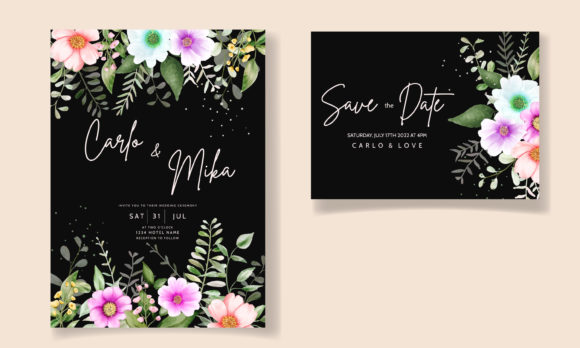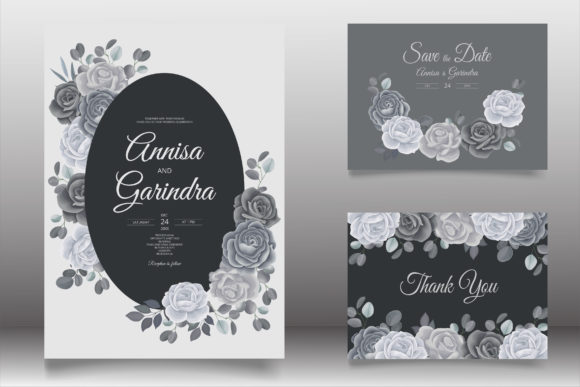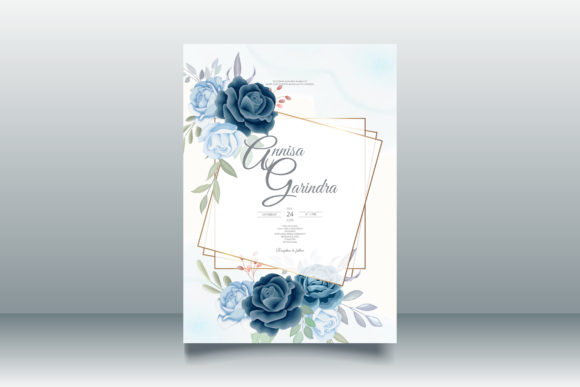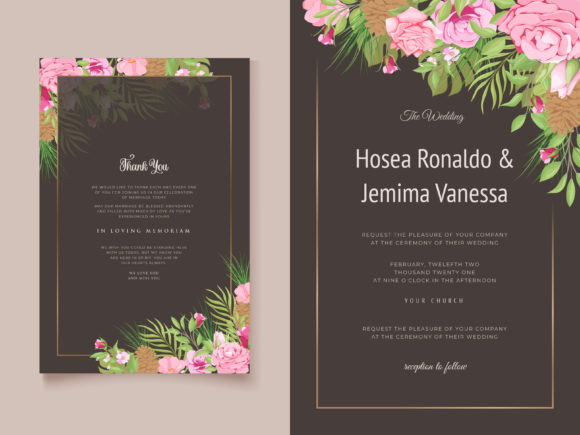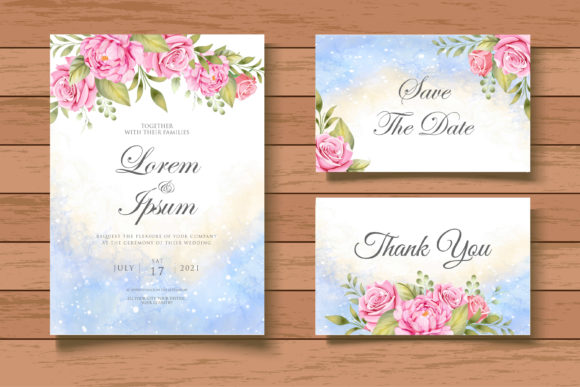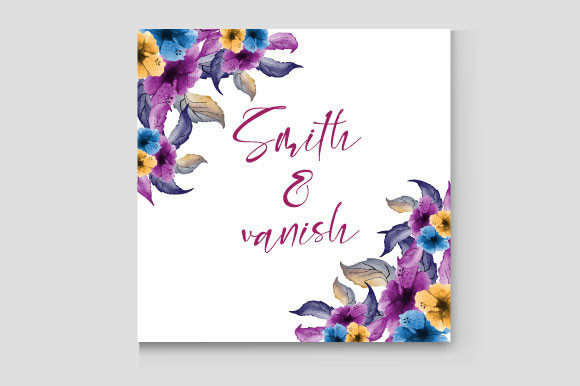
Modern Watercolor Floral Wedding Cards
Imagine a wedding invitation that arrives not as a simple piece of paper, but as a soft, breathable piece of art, instantly setting a tone of elegant romance and organic beauty.
This is the power of a Watercolor Floral Wedding Card, a design asset that merges artistic tradition with modern digital convenience. At its core, this style utilizes delicate, painterly strokes to render floral motifs—often centered around a floral wreath frame clipart—against a backdrop of serene blue-green leaves and greenery. This approach is not merely decorative; it’s a strategic choice in visual design that communicates warmth, sophistication, and a natural, personalized feel, qualities highly prized in contemporary branding and event design.
The Role in Modern Design Systems
From a professional graphic design perspective, such assets are foundational creative tools. Their value lies in their versatility and emotional resonance. A high-quality watercolor wedding card design, provided as editable digital files including SVG and AI formats at 300 DPI resolution, becomes a versatile component within a larger visual language.
It supports a cohesive brand identity across multiple touchpoints. The editable nature means designers can seamlessly integrate the artwork’s color palette and forms into a unified system, ensuring consistency from the logo design to the final packaging design.
Practical Applications and Creative Workflow
Where can these elements make a significant impact? Their applications span the entire spectrum of visual communication.
- Branding & Stationery: The floral wreath can be adapted as a logo mark or brand emblem, while the full card design forms the basis of invites, thank-you notes, and program booklets.
- Digital & Print Marketing: Assets are perfect for social media graphics, email campaigns, and print advertisements, creating a recognizable and premium aesthetic.
- Web & UI Design: Elements like the sublimation PNG flowers painting can be used as background textures or illustrative accents on websites, enhancing user experience (UX) with soft, engaging visuals.
- Merchandise & Packaging: The artwork translates beautifully to items like favor boxes, garment sublimation, or decorative labels, extending the event’s theme into tangible products.
Integrating these assets into your design workflow requires thoughtful consideration. Focus on visual hierarchy—ensure text (thanks to editable fonts) remains readable against the artwork. Assess scalability; vector files (SVG, EPS, AI) allow the design to scale flawlessly from a tiny icon to a large banner without losing quality. Always align the style with your audience’s expectations and the core design goals of the project, whether it’s intimacy, luxury, or rustic charm.
Building a Cohesive Visual Narrative
The success of using such artwork hinges on how well it complements other design choices. The blue-green leaves suggest a calm, natural color palette that should inform accompanying typography and layout. The watercolor’s soft edges and transparency encourage a clean, uncluttered composition in editorial design or presentation slides. This harmony between imagery, color, and typography is what leads to a polished, professional presentation that feels intentional rather than assembled.
Ultimately, selecting design elements like a modern watercolor floral suite is about investing in communication quality. It’s a reminder that in digital marketing, print design, and all creative projects, the aesthetic is the message. Thoughtful use of premium, editable creative assets elevates not only the look of your work but also its ability to connect, resonate, and leave a lasting impression on its audience.