Mastering the Process: Integrating a Tumbler Sublimation Floral Cactus Boho Design into Your Workflow
In the world of personalized merchandise and digital crafts, a Tumbler Sublimation Floral Cactus Boho design represents more than just a beautiful pattern. It is a pivotal digital asset that bridges the gap between creative concept and physical product. For creators, small business owners, and hobbyists producing custom drinkware, this specific design—combining floral motifs, cactus elements, and a bohemian aesthetic—is a key component in a multi-stage workflow. Success hinges not just on the quality of the artwork, but on understanding how this digital file integrates into the broader process of sublimation printing, from preparation through to final quality control.
The Role of the Digital Asset in Your Sublimation Process
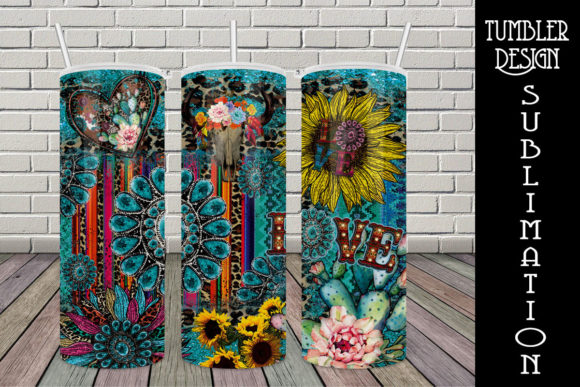
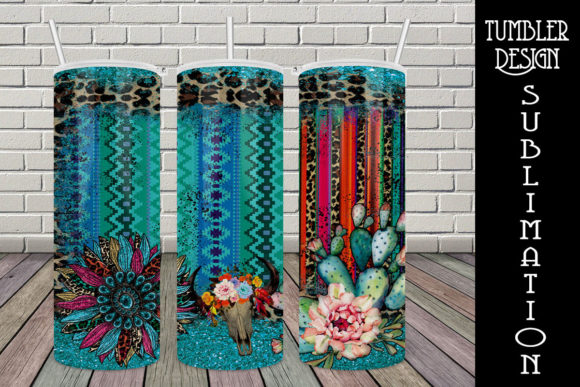
A digital sublimation design is the starting point of a tangible creation. When you acquire a design like the Turquoise western Tumbler Sublimation Floral Cactus Boho, you receive two PNG files: one tapered and one straight, both at high resolution (300 DPI) with transparent backgrounds. These files are not final products; they are inputs. Your workflow begins with integrating these assets into your existing production system. This step is crucial because the digital design dictates the final appearance, but its successful translation onto a 20 oz skinny tumbler depends entirely on your preparatory and execution steps.
Consider this stage as the planning and resource-gathering phase of your project. Before you even heat up your press, you must ensure the digital files are compatible with your software, correctly sized for your specific tumbler blanks, and organized within your digital asset library for efficient retrieval. This upfront work prevents costly errors like blurred images or misaligned patterns, ensuring consistency across batches if you are producing for sale.
Preparation and File Management: The Foundation of Quality
The initial integration of the Tumbler Sublimation Floral Cactus Boho design into your workflow involves careful preparation. The provided dimensions (9.4" x 8.29") are a guideline, but the critical instruction is to resize to 9.3" x 8.2" in your editing software—after measuring your tumbler. This highlights an essential workflow principle: never assume compatibility. Always verify physical dimensions against digital specifications.
Using software like Adobe Photoshop, CorelDRAW, or even capable free tools like GIMP, you import the PNG file. The transparent background is a vital feature here, allowing the design to sit cleanly on any colored or patterned tumbler blank without unwanted white borders. Your process should include creating a dedicated project folder for this design, storing both the original files and your resized versions. This organizational habit supports long-term use and efficiency, especially if you plan to use this popular boho-cactus theme across multiple products or future orders.
Workflow Integration: From Digital Screen to Physical Press
The true test of a well-integrated process is the seamless movement from one stage to the next. After preparing your Tumbler Sublimation Floral Cactus Boho design file, the next interaction is with your sublimation printer and heat press. The high-resolution 300 DPI file ensures that when printed onto sublimation paper, the intricate details of the florals and cacti remain sharp. This is a point of quality control. A lower resolution file would degrade at this stage, resulting in a poor-quality final product.
Your workflow must account for the choice between the tapered and straight PNG files. This is a practical decision based on the specific model of your 20 oz skinny tumbler. Selecting the wrong template can lead to an awkward fit or visible gaps. A best practice is to print a test copy on regular paper and physically wrap it around your tumbler blank before committing to sublimation paper and ink. This mock-up step, often overlooked, is a simple yet effective method to verify sizing and alignment, saving both materials and time.
Execution and Practical Implementation Tips
During the execution phase, the digital design interacts directly with physical tools and materials. The workflow sequence typically involves: printing the finalized design onto sublimation paper, precisely cutting it, securing it onto the tumbler with heat-resistant tape, and then applying the correct heat, pressure, and time with your press. The Turquoise western color palette within the design demands accurate color management from your printer to ensure the vibrant hues transfer correctly.
One useful observation for streamlining this process is to create a checklist for each tumbler type you use. For this 20 oz skinny tumbler, your checklist would include: verified resizing to 9.3" x 8.2", confirmation of tapered vs. straight template, printer color profile check, and press temperature settings. This systematizes the integration of the Tumbler Sublimation Floral Cactus Boho design, reducing cognitive load and minimizing errors during busy production runs.
Beyond the Single Project: Long-Term Use and Business Integration
For entrepreneurs and small business owners, a design like this is not just for a one-off project. It becomes part of a product line or a customizable option for clients. Integrating it into your business workflow requires additional considerations. You might use the design in digital mock-ups on your website or Etsy store, requiring clean, well-cropped images of the final product. Therefore, the quality of the physical tumbler you produce directly impacts your marketing assets.
Furthermore, file organization becomes critical. Label your saved design files clearly, perhaps including details like "Turquoise_Boho_Cactus_Tapered_20oz_Skinny_Final." This allows you or any team member to quickly locate and use the asset months later. Consistency in your production process, ensured by following the same preparatory steps each time, means every tumbler bearing this Tumbler Sublimation Floral Cactus Boho design meets the same high standard, building brand reliability.
Complementary Tools and Final Outcomes
The successful use of this sublimation design interacts with several other resources. It relies on quality sublimation blanks, a reliable heat press, and accurate editing software. It also depends on your knowledge and skills—understanding how color sublimates onto different materials, how to avoid ghosting, and how to handle the tumbler post-press for cooling. The outcome of smoothly integrating this digital asset is a professionally finished, unique product. Whether for personal use, a gift, or a sale, the process transforms a digital PNG file into a durable, aesthetically pleasing item that embodies the intended bohemian, western-inspired spirit.
Ultimately, the journey from downloading a Tumbler Sublimation Floral Cactus Boho design to holding a finished tumbler is a clear example of a modern digital-to-physical workflow. By focusing on the practical steps of preparation, compatibility checking, organized execution, and quality verification, creators can ensure this beautiful design achieves its full potential, enhancing both their creative satisfaction and their operational efficiency.